
Monitoring, Evaluation and Learning
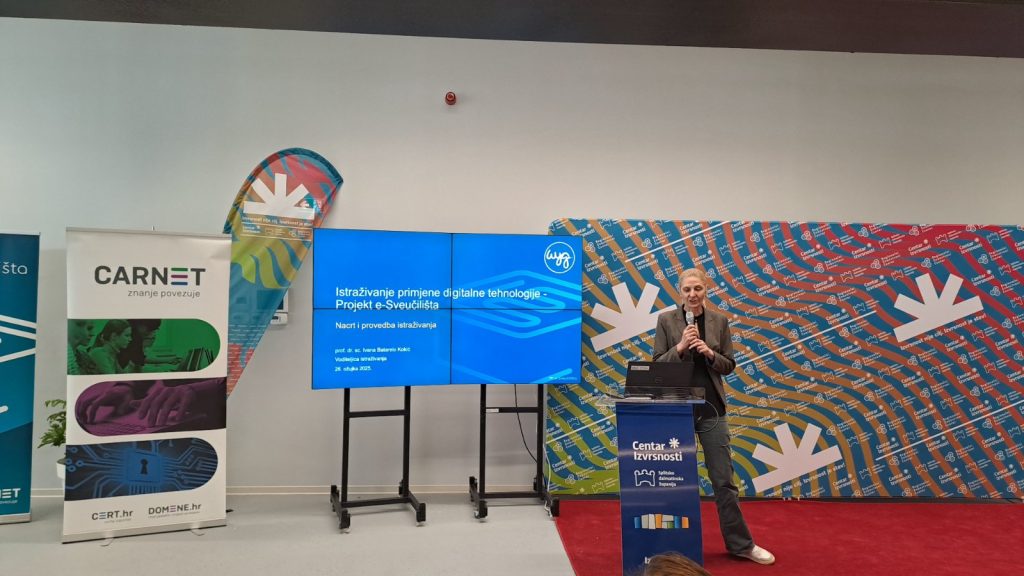
Conducting research on the application of digital technology
Monitoring, Evaluation and Learning

Evaluation services of the Interreg VI-A IPA Programme Croatia–Serbia (2021–2027)
Monitoring, Evaluation and Learning
Corporate Sustainability and Responsibility Study – Impact-driven businesses in the EU: State of play and future prospects
Monitoring, Evaluation and Learning
Evaluation of Active Labour Market Policy Measures of the Croatian Employment Service (2017-2023)
Monitoring, Evaluation and Learning
Third Party Monitoring of Human Rights and other Crosscutting Issues in NaturAfrica Projects in the Eastern Rift Savannahs and Watersheds (ERiSaWa) Component
OTHER PROJECTS:
The project “Evaluation services of the Interreg VI-A IPA Programme Croatia–Bosnia and Herzegovina–Montenegro (2021–2027)” highlights WYG’s expertise in the evaluation of EU-funded cross-border cooperation programmes and performance assessment of complex, multi-country interventions. The assignment focuses on the operational evaluation of a €138 million Interreg programme, assessing its effectiveness, efficiency, relevance, coherence, and EU added value. It examines both current programme implementation (2021–2027) and the legacy and impact of projects from the previous programming period (2014–2020), ensuring continuity and evidence-based learning across cycles. WYG delivers a comprehensive evaluation approach combining desk research, programme data analysis, stakeholder consultations, surveys, and case studies, providing a robust qualitative and quantitative evidence base. Particular attention is given to programme governance, decision-making processes, project selection, monitoring and reporting systems, as well as communication and stakeholder engagement effectiveness.
This project focuses on the evaluation of selected objectives of Croatia’s CAP Strategic Plan 2023–2027, with particular emphasis on sustainable farm income, climate action, environmental protection, and biodiversity. The evaluation assesses progress and results related to Specific Objectives SO1, SO4, SO5, and SO6, as well as key elements of the CAP green architecture, including organic farming.
Using a combination of quantitative and qualitative methods, the project analyses the effectiveness, efficiency, relevance, coherence, and EU added value of implemented interventions. It examines their contribution to sustainable agricultural income, climate change mitigation and adaptation, responsible management of natural resources, and the protection and recovery of biodiversity and ecosystem services.
The results of the evaluation will provide evidence-based conclusions and practical recommendations to support improved implementation, monitoring, and future development of the CAP Strategic Plan. The project ultimately contributes to strengthening sustainable agriculture and rural development in Croatia in line with EU policy objectives.
| The Council of Europe is implementing the Roma Integration III Joint Programme of the European Union and the Council of Europe, aiming to strengthen the capacity of governments in the Western Balkans and Türkiye to effectively address the multifaceted challenges faced by the Roma communities through the implementation of comprehensive public policies in areas such as housing, employment, civil registration, green and digital transition. Roma Integration III is implemented in seven Beneficiaries: Albania, Bosnia and Herzegovina, Kosovo, Montenegro, North Macedonia, Serbia, and Türkiye, with the duration of 3 years (1 May 2023- 30 April 2026) and is co-financed by the European Union and Council of Europe.
The project assists the progressive implementation in the Western Balkans beneficiaries of the “EU Roma Strategic Framework for Equality, Inclusion and Participation 2020 - 2030”; the 2019 Declaration of Western Balkans partners on Roma integration within the EU enlargement process (Poznan Declaration) and subsequent commitments made by the governments at the annual ministerial meetings and endorsed within the Berlin Process Summits; and progress on fulfilment of Roma inclusion commitments taken under the negotiations Chapter 23. The project will also ensure that the necessary capacity is built at central level for the proper implementation, budgeting, monitoring, and reporting, the reinforcement of the co-operation with local authorities and the progressive alignment with all elements of the EU Roma inclusion policy. |
WYG was selected to support the implementation of the project with a particular expertise on green transition and Green Agenda, to conduct a study on the inclusion of Roma in the green transition and Green Agenda in the Western Balkans and Türkiye. The study will research the potential of Roma communities in the green economy, will assess the effectiveness of green policies, identify employment opportunities, and analyse barriers faced by Roma in accessing green technologies. It will also explore environmental justice issues and the role of Roma in the green transition. WYG will also provide policy recommendations to enhance Roma inclusion in green initiatives, including pilot programme proposals for each Beneficiary
| The purpose of the evaluation is to assess the success of the implementation of the two programmes: 1) National Programme of the Asylum, Migration and Integration Fund (AMIF) and 1) National Programme of the Internal Security Fund (ISF) for the programming period 2014-2020. The ex-post evaluation covers all activities carried out under the national programmes under the Multiannual Financial Framework 2014-2020 for three funds in the field of home affairs: the Asylum, Migration and Integration Fund (AMIF), the Instrument for Police Cooperation, Crime Prevention and Combating and Crisis Management (ISF POLICE), and the External Borders and Visa Instrument (ISF BORDER). The evaluation includes activities that have been financed from these funds and completed by 30 June 2024 at the latest. |
The financial mechanisms of the European Economic Area and the Kingdom of Norway contribute to the reduction of social and economic inequalities in Europe and strengthen bilateral cooperation between donor countries (Iceland, Liechtenstein and Norway) and beneficiary countries. For the period 2014-2021, the Republic of Croatia has been allocated 103.4 million euros. The role of the National Focal Point is played by the Ministry of Regional Development and EU Funds.
Within the Contract for which WYG was hired, three programmes were evaluated:
- Local Development and Poverty Reduction
- Justice and Home Affairs
- Energy and Climate Change
The Local Development and Poverty Reduction (LDPR) Programme in Croatia was designed to foster social and economic cohesion by promoting inclusive, sustainable development, primarily through education. With a strong emphasis on STEM disciplines, the programme enhanced the skills and competencies of primary school teachers and students. Key investments were made to improve classroom infrastructure, the overall learning environment, and provide targeted support for underserved regions and students with special educational needs, including both gifted children and those with disabilities. The programme’s impact extended beyond education by also contributing to employment opportunities, self-employment, and regional disaster preparedness planning.
The LDPR Programme had a total budget of €32.26 million, primarily funded by the European Economic Area (EEA) and Norway Grants, along with national co-financing. Of this, €30.03 million was spent, resulting in a fund absorption rate slightly above 93%. Implemented through 34 projects, the LDPR Programme achieved all its targets, delivering five major outcomes: enhanced educator competencies, improved STEM skills among students, increased educational equity for students with disabilities, better national and regional strategic planning, and an improved knowledge base for seismic risk policy development.
The Justice and Home Affairs Programme, overseen by the Ministry of Justice, Public Administration and Digital Transformation, aimed to strengthen the rule of law and improve the Croatian judicial and correctional systems. With a maximum budget of €17.65 million (€15 million from Norway Grants and €2.65 million from national funding), the programme achieved a 93% absorption rate. Its overarching goals were realised through two primary outcomes: improved judiciary effectiveness and better correctional services.
To achieve these, four pre-defined projects (PDPs) were implemented. Three of these supported judicial efficiency:
-
PDP 1: Reconstruction of the Municipal Court Building in Split and enhancement of e-services.
-
PDP 3: Methodology revision for evaluating judges’ performance.
-
PDP 4: Strengthening court-annexed mediation systems.
The fourth project, PDP 2, targeted correctional services, focusing on improving the Croatian probation system and enhancing human rights and public safety.
The Energy and Climate Change Programme, funded with €20 million (€17 million from EEA grants and €3 million in national co-financing), supported Croatia’s transition to a clean energy future. The programme’s core objective was to reduce carbon intensity and enhance energy security. It achieved an impressive 98.63% fund absorption rate, with all 38 projects successfully completed.
Its outcomes focused on improved energy efficiency and increased renewable energy production. Under the energy efficiency outcome, a National Training Centre for Nearly Zero Energy Buildings (nZEB) was established through a project led by the Energy Institute Hrvoje Požar, in collaboration with the University of Zagreb. The renovation of the institute’s building to nZEB standards included major energy system upgrades and photovoltaic installation. The renewable energy outcome supported 37 projects through competitive calls and small grant schemes covering solar, geothermal, and marine energy solutions, as well as geothermal data development.
The evaluation process across all three programmes involved methodological development, literature reviews, interviews, and field visits. It assessed their relevance, coherence, effectiveness, efficiency, impact, and sustainability. The evaluation confirmed that all programmes contributed significantly to reducing social and economic disparities and enhancing bilateral relations, thus fulfilling the financial mechanisms’ overarching objectives.
WYG Consulting has been awarded the "Technical Assistance for the Closure of National Programmes for Turkey under IPA" project as part of the FWC SEA 2023 framework. This important initiative will be implemented in collaboration with our consortium partners, WYG Türkiye and GOPA Worldwide Consultants. Starting in December 2024, our project team will embark on an 8-month project to conduct independent evaluations of selected national programmes in Turkey. The aim is to assess outcomes, extract valuable lessons, and lay the groundwork for future interventions. Additionally, our experts will assist the EUD to Turkey in establishing Opening Positions for the final expenditure statements submitted by the National Authorizing Officer for Component I of four IPA I National Programmes (2007, 2008, 2010, and 2011).
In September 2024, WYG Consulting was awarded the contract for a "Feasibility Study on the Establishment of a Help Desk for Labour Mobility at the EU Level" by the European Labour Authority (ELA). The objective of this contract is to explore the feasibility of setting up and operating an information help desk that could address individual questions through a dedicated tool. Complementing existing structures in Member States, such a tool could offer individuals, workers, employers, and social partners the opportunity to direct their specific queries to a competent expert.
The service could cover both EU and national legislation, as well as national rules and procedures relevant to workers and employers engaged in labour mobility within the EU, EEA countries, and Switzerland. The envisaged help desk aims to significantly improve the quality and availability of labour mobility information at the EU level.
Great success for WYG Consulting!
We are happy to share with you that we have been awarded 3 Lots under the new SEA 2023 Framework Contract! In the following period of the 4 years, we will be working as partners under:
SEA Lot 4- Sustainable Transport, Infrastructures, Green Cities, Connectivity and Sustainable Mobility
SEA Lot 14- Migration and Forced Displacement
We are specifically proud to announce that we are the Lead Partner of Lot 15- Monitoring under FWC SEA 2023!
Kudos to all of our team colleagues who worked hard on this!
SEA 2023 provides support and efficiency in delivering services to the EU institutions worldwide, by enhancing the focus on expertise needed to support challenges of international development, such as promoting democracy, good governance & rule of law, human rights, poverty reduction and sustainability under different sectors. We believe that our positive-change approach and creative mindset strategy can present the best and unique skills to the Client to ensure successful outcomes for global challenges!
If you want to support our team and our vision, you can check the link below where we invite you to send your CV to be registered in our database:
https://lnkd.in/dxcW2_Hj
After a successful collaboration with the Government Office of the Republic of Slovenia for Development and European Cohesion Policy, for whom WYG Consulting conducted an impact evaluation of the Cooperation Programme Interreg V-A Slovenia-Croatia 2014-2020, WYG was awarded a new project in June 2023 - “Management of Capitalisation process for Interreg Programme VI-A Slovenia – Croatia 2021-2027”. The IP SI-HR 2021-2027 aims to achieve a preserved, resilient, and connected cross-border region where sustainable development is recognised and used as a main tool in reaching all inhabitants' economic viability, safety, biodiversity protection, and social well-being.
This project will be implemented throughout the following 12 months for the Client, Slovenian Ministry of Cohesion and Regional Development. During the implementation we will prepare data analysis according to individual programme-specific objectives for the programme period 2014-2020; generate a user-friendly online publication projects database to publish on the Programme Slovenia – Croatia website; implement 2 different bilingual (SI-HR) thematical workshops and provide recommendations in the Capitalisation Manual for the implementation of the IP SI-HR 2021-2027.
In May 2023, WYG Consulting was successfully awarded with four-month contract by Lux Development (LuxDev) for conducting the final evaluation of the project „Support to Vocational Education and Training Reform in Kosovo (Phase II)” that is a logical answer to detected problems in the VET system in Kosovo and a continuation of Phase I of the same Project, led by Ministry of Education, Science, Technology and Innovation in Kosovo (MESTI) and implemented by LuxDev, executing agency for the bilateral cooperation programmes funded by Luxembourg government. Project KSV/020 (Phase II) primarily focused on enhancing the structure and performance of the Technical and Vocational Education and Training (TVET) system and its delivery in Kosovo, in alignment with Sustainable Development Goal (SDG) 4, which promotes inclusive and quality education and lifelong learning for all.
This final evaluation covered the whole implementation period of the project from 1st July 2018 until 30 June 2023 (60 months) and it assessed the relevance, coherence, effectiveness, efficiency, sustainability and cross-cutting issues of the intervention. Our team has conducted detailed quantitative and qualitative research, including interviews with government stakeholders and development partners, focus groups with project beneficiaries, field visits to involved schools and a review of project documents, and provided LuxDev with recommendations directed toward guiding the work of their formulation team and implementation team of the next project.
Executive Summary of this evaluation is available at the following link:
https://luxdev.lu/files/documents/KSV020_EF_EN.pdf
The purpose of the thematic evaluation of the Operational Program for Food and or Basic Material Assistance (OP FEAD) was to cover both types of interventions supported through FEAD - specifically projects implemented through the calls "Providing school meals for children at risk of poverty" (4 calls) and "Poverty alleviation by providing assistance to the most deprived by distributing food and/or basic material assistance" (2 calls) and evaluate their effectiveness. The evaluation sought to assess how the support provided through the implementation of FEAD-funded project activities contributed to the objectives of the Operational Program.
The thematic evaluation of FEAD was conducted using an interdisciplinary and participatory methodology that included qualitative and quantitative research methods. The methodology included the following methods: literature analysis, analysis of key documents, statistics, quantitative research through questionnaires (partner organizations), conducting interviews with partner organizations and conducting territorial analysis. In addition, 4 case studies of projects funded under these FEAD calls have been further developed.
This evaluation was conducted for the Client, the Croatian Ministry of Labour, Pension System, Family and Social Policy.
The evaluation assessed the effectiveness, impact and efficiency of planned and used funds, as well as set and achieved goals and results related to increasing employment and employability under Priority Axis 1 of Operational Programme Efficient Human Resources 2014-2020 (OPEHR). The specific objectives of this evaluation were as follows: to compare the planned and achieved results and objectives of the implementation of the OPEHR in PA 1 and thus assess the extent to which the objectives have been achieved, i.e. indicators at the level of individual-specific objectives; to know and evaluate procedural practices and methodology of implementation of OPEHR within PA 1; assess and evaluate the established implementation structure and its effectiveness in the implementation of planned calls and operations under the OPEHR; contribute to the quality of the new OP planned for the next financial period (2021-2027)
For the purpose of conducting the evaluation, the Service Provider was obliged to evaluate Priority Axis 1 - High employability and labour mobility, the total value of which is EUR 568,051,181. Value of the Priority Axis High employability and labour mobility includes investment priorities and related specific objectives such as facilitating access to employment for jobseekers and inactive people, increasing sustainable self-employment and employment of the unemployed, preserving jobs, retaining redundant workers, modernization of labour market institutions and better harmonization with labour market needs, etc.
This April, the 15-month evaluation of Priority Axis 4 "Good Governance" OPEHR 2014-2020 was successfully completed. Experts from WYG Consulting and MAP Consulting produced a report assessing the effectiveness, impact and efficiency of the planned and used funds under PA4, and set and achieved results concerning the content of the priority axis. The general objective of the evaluation was to assess the efficiency of absorption of ESF funds, achieve planned goals and set and achieved results within PA 4 OPEHR, while the specific objective was to improve knowledge and understanding of the status and dynamics of public administration and justice reform in the Republic of Croatia through ESF operations, as well as monitoring contributions of civil society and social partners to these reforms. This mid-term evaluation includes an assessment of the results available for the period from the beginning of the OPEHR implementation till the 31st of December, 2020, and as part of the evaluation, recommendations were given to improve the achievement of results and objectives of the OPEHR implementation.
The evaluation included 41 direct allocations in the field of public administration, 6 direct allocations in the field of justice and 11 open calls in the field of civil society and social partners, with a total contract value of HRK 1,057,184,689.49. The evaluation is based on the triangulation of sources and methods of data collection: analysis of literature and documents, analysis of microdata, semi-structured interviews, focus groups and standardized surveys.
WYG Consulting is conducting Impact Evaluation of the Cooperation Programme Interreg V-A Slovenia-Croatia 2014-2020. The Contracting Authority is Government Office of the Republic of Slovenia for Development and European Cohesion Policy. Cross-border cooperation between Slovenia and Croatia has been supported since 2003 under several EU instruments, like PHARE/CARDS, trilateral Neighbourhood Programme and IPA.
During one-year evaluation, WYG’s team will assess the relevance, sustainability and impact of the programme results and outputs, while also preparing the recommendations for the future cross-border programme between Slovenia and Croatia 2021-2027. The Impact evaluation will be carried out using a theory-based approach which will result in the identification of causal links between inputs, activities, outcomes, and impacts. The following methods are most commonly used in theory-based approach: standardised surveys, literature analysis, interviews, focus groups and case studies that allow for qualitative impact evaluation.
Regions with specific territorial features have received increasing attention in recent years, most notably in article 174 of the Treaty on the Functioning of the European Union (TFEU).
Gaining a better understanding of the territories with geographic specificities and their relevant challenges and opportunities is therefore crucial for the European policy dialogue and debate for developing Cohesion Policy post-2020 and a renewed Territorial Agenda for Europe which is due to be adopted by 2021.
The following types of territories constitute the main focus for this project: sparsely populated regions; mountain regions; Islands, including island-states and coastal areas.
The policy analysis responded to following questions:
- What does insularity, peripherality, remoteness, accessibility, vulnerability, attractiveness, lack of critical mass mean for territories with geographic specificities?
- How does it impact the competitiveness, quality of life and sustainable growth of these territories?
- Where and how is public intervention required?
- How can place-based, smart and integrated approaches support the challenges encountered by territories with geographic specificities?
- How can territorial cooperation contribute to strengthening the capacity of local and regional authorities to identify their growth potentials and formulate development strategies
WYG Consulting was a partner in this research project, led by Spatial Foresight.
Project value: 641.978 EUR
WYGC acted as consortium leader for this 30-month project in Montenegro, financed through the IPA II Pre-Accession Assistance Instrument. Part of a broader push by the Montenegrin Ministry of Labour and Social Welfare to modernise services, the project is intended to improve employment in Montenegro by implementing a self-employment programme and strengthening institutional capacities. Over the 30-month course of the 290.000 EUR project, WYG’s staff offer services including an analysis of the situation on the ground, preparing instructional literature for local staff, developing the employment programme itself in cooperation with local partners, and support in evaluation, monitoring, and impact assessment.
The Effective Human Resources 2014-2020 Operational Programme (OPEHR) aims to help create jobs and strengthen social cohesion in Croatia by allowing local institutions to effectively take advantage of the European Social Fund. In order to evaluate how effectively the measures and activities described in OPEHR are being implemented in Croatia on the regional and local levels, Croatia’s Ministry of Labour and Pension System designed this project, which is being carried out by WYG in collaboration with MAP Consulting Ltd. Our team has conducted detailed quantitative and qualitative research, including in-depth interviews with stakeholders and a thorough review of programme documents, in order to provide the ministry with reports and recommendations for future measures and activities.
Priority Axis 2 of the Effective Human Resources 2014-2020 Operational Programme (OPEHR) is intended to support socially vulnerable groups by improving their access to employment, developing community-level social services to improve general employability, and increasing participation, awareness, and social inclusion. To determine how activities within this priority axis have contributed to planned changes, the Croatian Ministry of Labour and Pension System has designed a 15-month evaluation project, which is being managed by WYG Consulting. Our team’s in-depth qualitative and quantitative research gave the Ministry clearer insight into the effectiveness of measures, allowing them to adjust their measures and activities in the future to improve results on the ground.
The Interreg IPA programmes are designed to promote employment, labour mobility, and social and cultural inclusion across borders. As part of a broad evaluation process, the Croatian Ministry of Regional Development and EU Funds issued a contract to appraise how well these programmes are managed and implemented. In cooperation with partner t33 Srl., WYG’s team conducted surveys, case studies, interviews, and documentation analysis to evaluate the Interreg IPA programmes, examining the details of numerous aspects of the programmes ranging from human resources and tender procedures to decision-making processes and implementation monitoring. After compiling a final report, our findings were presented to the Joint Monitoring Committee of each of these three regional programmes.
E-Schools is an innovative project designed to help improve the digital skills of future generations in order to provide them better socio-economic opportunities and prepare them for lifelong learning. Phase II of the project consists of several group activities, including the review of digital educational content. WYG’s task in this project was to develop 74 individual digital education content items to test learning outcomes at primary and secondary school level, along with 1,500 corresponding teaching scenarios to provide educators with ideas as to how to implement teaching methods supported by digital tools and digital educational content. WYG’s staff subcontracted experts, trained and coordinated reviewers, and monitored compliance with the quality criteria outlined by CARNET.
This Grundtvig Learning Partnership aims to exchange knowledge and practice across key stakeholders involved in the policy, practice and theory of adult learning to assess how different types of partners such as public, private and voluntary organisations can work together and adopt innovative approaches to learning to address the challenges of promoting participation in adult education in the current economic situation.
Objectives of our partnership are:
• to recognize innovative practices of adult education used in Bulgaria, Croatia, Romania and Scotland/UK and to ensure their transfer across countries involved by producing a project compendium and by disseminating project results through the website/e-platform, different workshops and seminars, and research papers;
• to improve the quality of adult educators in partnership countries by broadening their knowledge on using ICT/TEL (Technology Enhanced Learning) and innovative methodologies in creating efficient pedagogies targeting the needs of people from vulnerable groups and marginal social contexts.
| The overall goal of this IPA financed project was to develop a comprehensive framework for improving implementation, monitoring and evaluating the effectiveness / effectiveness of migrant integration policy measures in the Republic of Croatia.
The purpose of the Project was to implement the necessary evaluation and analytical activities as well as the activities of designing, establishing and testing the web interface for monitoring the implementation of the Migrant Integration Action Plan to ensure implementation of integrative measures, monitoring their implementation for evaluating the effect of integrative migration policy. Key project activities included:
|